Lysa Robot Guid Dog
Brand Name:Vixsystem Information Technology Solution
Design Company Name:Vixsystem Information Technology Solution
Nationality / Region: Brazil

Entry ID:2023-07-0463029
Entry Category:Product_Group
Categories:Transportation Means
Introduction
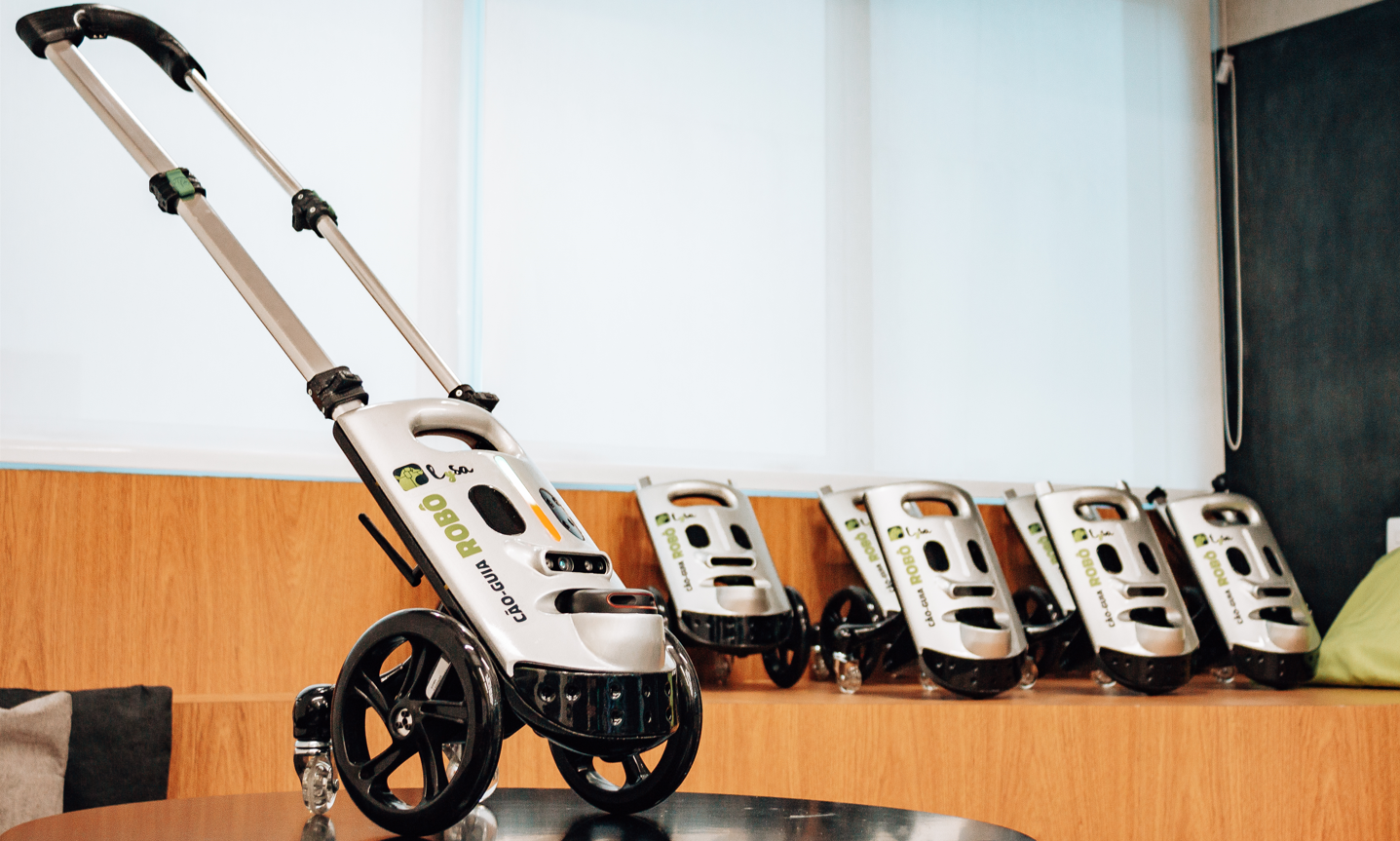
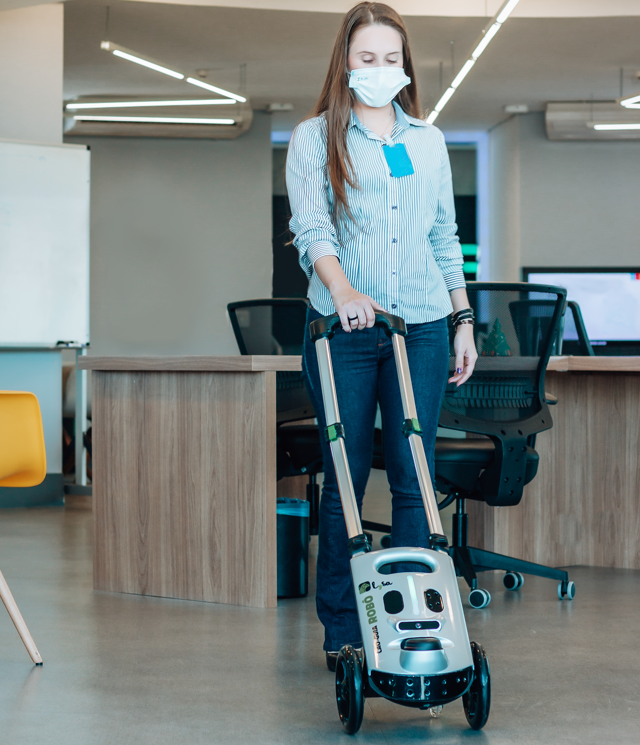
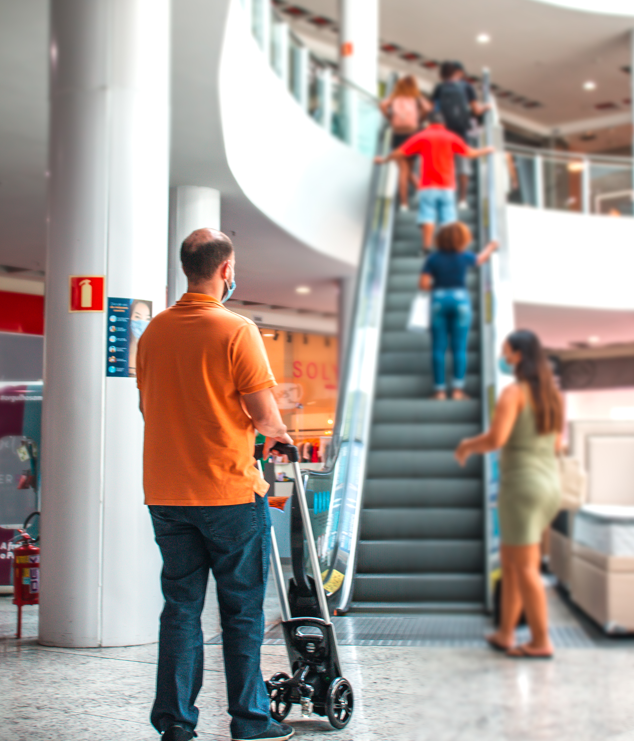
The World Blind Union (WBU) estimates that there are around 253 million people in the world with some type of visual impairment and, from these, Brazilians alone are around 6.5 million, according to the Brazilian Institute of Geography and Statistics (IBGE). Most of the population who develop this disability come from underdeveloped places such as Brazil, with a high social inequality index, leaving them at the margin of society, without access to means of education, quality employment, leisure, health and welfare in an autonomous and safe manner, preventing their economic development and, in the case of children, their holistic development. With this in mind, Neide Sellin, while still a professor of educational robotics, inspired by the role of guide dogs revolutionized the prevention of mobility for blind people through the creation and development of this technological innovation endowed with mature AI and its advanced obstacle detection technology that allows an accurate mapping of the environment around the user and the identification of possible dangers through its intuitive navigation system, which guides the user through simple and easy to understand recorded voice commands, providing greater autonomy and independence, in a B2B format that brings free access or at a drastically reduced cost to the end user if compared to the acquisition of a conventional guide dog.Lysa is a guidance robot designed to provide autonomy and quality of life especially for people with visual impairment. The robot is totally accurate and automated, and detects objects, obstacles, and depth. Besides, it can inform which object is ahead, avoiding collisions. The Lysa robot has functions similar to those of a conventional guide dog. It weighs about 3.5 kilos and has two motors and five sensors that warn the visually impaired person, by means of recorded voice messages, when there are holes, obstacles and height collision risks on the way. demonstrates operational practicality and functionality, as it offers an accessible and efficient solution to improve the mobility of visually impaired people. Its structure also emphasizes the importance of user autonomy and independence, proving to be an innovative and useful approach to mitigate the challenges faced by this population.The Lysa Robot Guide Dog has an attractive design: Lysa's physical appearance is carefully designed to convey a sense of visual beauty. This may include soft curves, pleasing colors, and high-quality materials. The design needs to be sleek and modern, conveying confidence and sophistication. Has an intuitive interface: The onboard technology in the Lysa uses an intuitive interface for the end user. This means that the recorded voice commands must be clear, easy to understand, and respond promptly to the needs of the blind individual. Efficient navigation is also important to ensure that the user can move freely through the spaces without obstacles. Advanced technology: Lysa uses cutting-edge technologies such as artificial intelligence (AI) and advanced obstacle detection to provide accurate mapping of the user's surroundings. AI can help the robot dog learn the user's individual preferences, adapting to their specific needs over time. Affordability: To ensure that the technology is accessible to the visually impaired population in underdeveloped locations, such as Brazil, it is essential that the cost is reduced compared to the traditional purchase of a conventional guide dog. This allows more people to have access to the Lysa and, consequently, greater autonomy and independence. In summary, this reflects the form and technology that involves considering the visually appealing design, an intuitive interface for the end user, advanced technologies such as AI and obstacle detection, and affordability present in the Lysa.In addition to bringing practical benefits to blind people, it also promotes social inclusion and equal opportunities. By providing an accessible and functional tool for these people, Lysa contributes to breaking down physical and emotional barriers, allowing them to actively participate in society. Furthermore, the creation and development of Lysa also demonstrates the potential of technology to solve real problems and improve people's quality of life. The implementation of artificial intelligence and advanced technology shows how these innovations can be applied in various areas, including accessibility. In the Brazilian context, where many visually impaired individuals face difficulties in accessing adequate education, employment, and healthcare, Lysa represents a unique opportunity to promote significant changes in their lives. By offering safe navigation, guided by simple and easy-to-understand recorded commands, it ensures that users have greater autonomy in their daily lives. In short, Lysa is a valuable technological innovation that not only improves the mobility of blind people, but also opens doors for their full social inclusion. Its cultural significance lies in its ability to empower visually impaired individuals by providing them with independence and equal opportunities.Lysa, besides detecting obstacles, is able to identify objects through image recognition, allowing the user to move around in different places and offering more access to detailed information about his location, with an alert system that warns the user about possible objects or dangers on the way, ensuring his safety during navigation and emergency alert activated by a button and voice confirmation. In addition, the device is designed with the user's health in mind, offering an ergonomic and comfortable design for prolonged use. It is lightweight and easy to carry, and can be used by people of different ages and with different degrees of visual impairment. The technology used in the device is advanced and constantly updated to ensure efficient performance. Artificial intelligence allows the device to learn the user's preferences over time and adapt to their individual needs. Thus, this technological innovation contributes to improving the quality of life of people with visual impairments by providing greater autonomy in their daily mobility. Moreover, by making this resource available for free or at an affordable price, Neide Sellin promotes social inclusion and equal opportunities for all people regardless of their visual condition.